Skip to Content
Sandblasting & Surface Preparation

Surface Preparation That Sets Up Better Finishing Results.

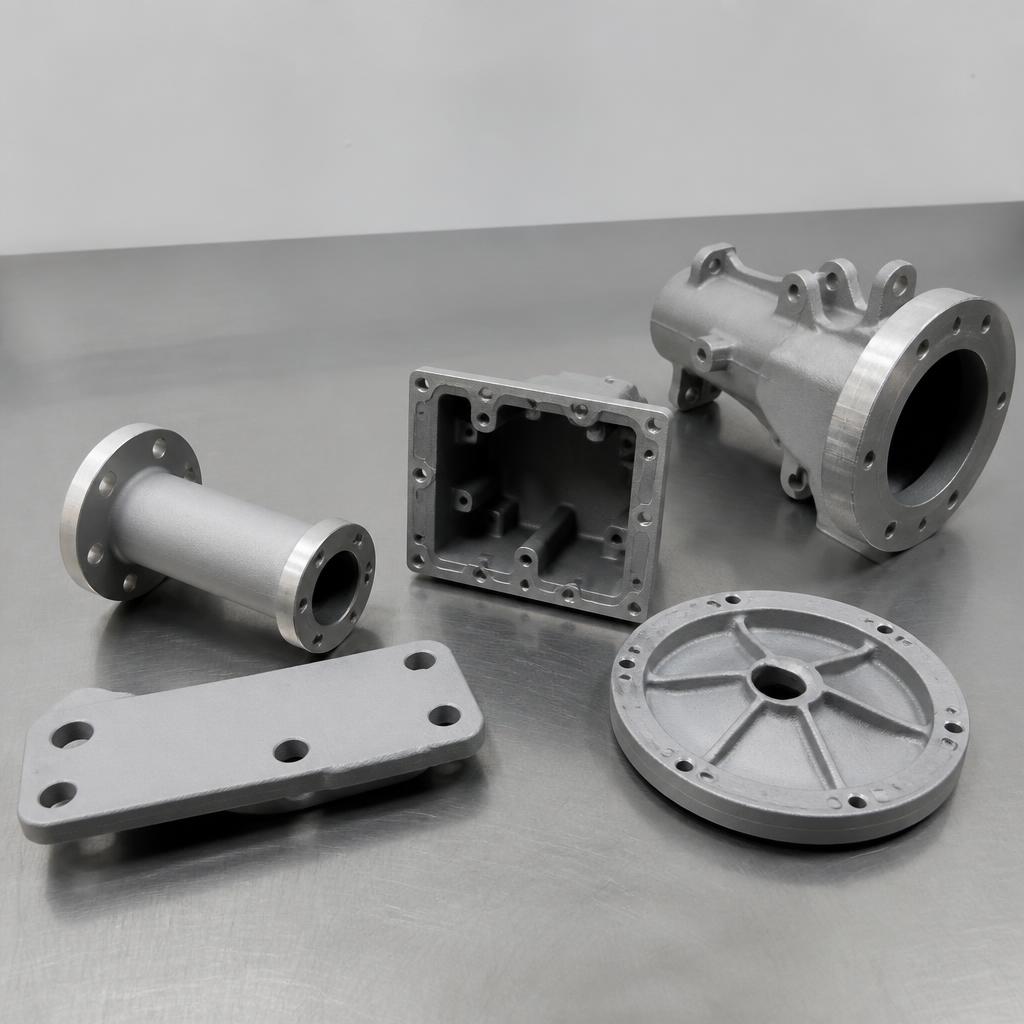
Sandblasting and pre-finishing preparation that removes contamination, conditions the surface, and supports reliable adhesion and finish quality on every part.

Best for
Pre-Plate Prep Mill-Scale Removal Surface Conditioning Adhesion Support

The finish starts before the finish. Surface contamination, embedded residues, and inconsistent texture all compromise adhesion, appearance, and corrosion performance — even on the best plating.

Treat prep as part of the quality system, not a step before it.

The substrate determines what the next process can deliver. Removing variables here is cheaper, faster, and far more reliable than fixing them later in plating or inspection.

01

Why Surface Preparation Matters

The quality of a finish starts before the finish is applied. Surface contamination, embedded residues, inconsistent texture, and poor part condition can all compromise adhesion, appearance, corrosion performance, and repeatability. Sandblasting and related preparation steps help create the right starting surface for the process that follows.

02

How Entech Uses Sandblasting

At Entech, sandblasting is used as a preparatory step before plating or passivation when the substrate and application require it. The goal is to ensure the surface is clean, conditioned, and ready for the next stage of processing — not to be mistaken for a finishing step in itself.

Three substrate problems, one consistent fix.

Hover any card to swap the surface from "as-received" to "prep complete." The same part, the same metal — what changes is what the next process has to work with.

Before · Mill Scale After · Clean

Mill Scale & Oxide Layers

Heavy oxide and rolled-on residue removed — clean substrate ready for activation.

Before · Embedded Residue After · Removed

Embedded Contamination

Particulate, machining swarf, and surface debris dispersed — substrate matches process spec.

Before · Inconsistent After · Uniform

Inconsistent Texture

Variable, patchy condition conditioned to a uniform finish — repeatability built in.

Four reasons proper prep pays back.

Each one of these shows up later — sometimes in the plating tank, sometimes at receiving inspection, sometimes only in the field after months of service.

01

Removes Contamination

Eliminates residues that would otherwise interfere with plating, passivation, or coating chemistry.

02

Consistent Adhesion

Supports better coating bonding across batches — fewer rejects, fewer rework cycles, fewer surprises.

03

Predictable Downstream

Prepares the substrate for repeatable plating or passivation results — the same part gets the same finish, every time.

04

Repeatability Built In

Builds discipline into the process instead of relying on the coating to hide upstream surface issues.

Prep is part of the finishing system.

Because sandblasting is part of the wider finishing workflow, the preparation method is considered in the context of the final requirement. We do not treat surface prep as a separate task disconnected from the end result. We treat it as part of the quality system that supports adhesion, appearance, thickness control, and performance.

Surface prep done with the same discipline as the finish.

The same review, the same drawing, the same documentation — applied to the step that decides what the next step can deliver.

01

Method Match

Right abrasive, right pressure, right coverage — chosen for the substrate, not defaulted to a single recipe.

02

Geometry Aware

Complex parts and mixed-substrate assemblies receive selective masking and area-specific treatment.

03

Quality-System Integrated

Documented as part of the same quality system as plating — inspection-ready, traceable, repeatable.

04

One-Stop Hand-Off

Same supplier preps and finishes — eliminates re-handling, re-contamination, and inter-shop logistics.

From enquiry to delivery.

The grit moves through the rail like the substrate moves through the shop — controlled, continuous, predictable.

📋
1
Drawing & Spec Review

Material, current surface condition, downstream finish, and any masking or selective-prep callouts reviewed.

🎯
2
Method Selection

Abrasive media, pressure, and coverage matched to the substrate and the final finish requirement.

💨
3
Surface Prep

Controlled abrasive blast — contamination removed, surface conditioned, geometry-specific masking maintained.

📦
4
Hand-off to Plating

Substrate inspected and routed directly to the next process — no re-handling, no re-contamination.

Need your parts prepared for reliable finishing?

Tell us the material, current surface condition, and the finish you need so we can recommend the right preparation path.